
Yoga Asanas for Anxiety:Best Yoga Poses to Reduce Stress and anxiety
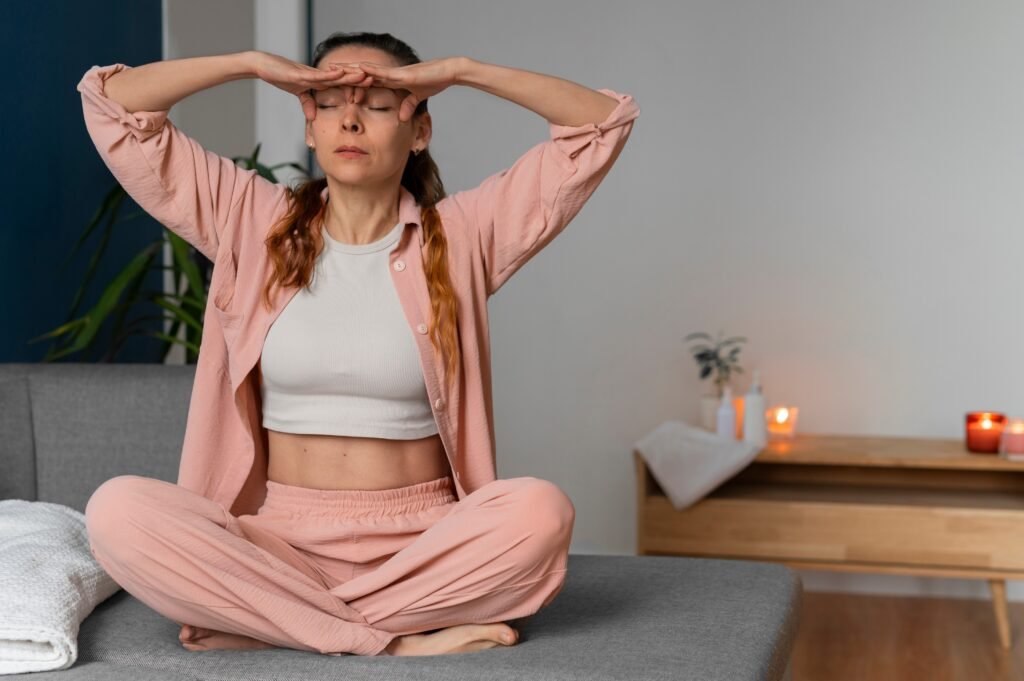
9 Yoga asanas for How to conquer anxiety disorders
Stress and anxiety relief is just one yoga practice away!
Anxiety, fear, stress If we begin to count the instances where we felt these emotions We could easily be lost! Fear of the outcome of an exam and the response of our family members when they received the report card, or anxiety regarding meeting for the first time or job interview – all of us have been through these experiences. A bit of anxiety is normal. In fact as with salt in food, it’s needed to keep us well-organized, focused, and active.
The issue begins when the fear gets progressively more constant and can begin affecting our daily routine. Then, it turns into an anxiety disorder, the state of extreme anxiety or worry of the unknown. It requires treatment which is why yoga asanas can help you overcome anxiety easily.9 Yoga tips on how to conquer anxiety disorders.
It’s also helpful to know that yoga by itself is not the only option for treatment. It should be used in conjunction with treatment after consulting with specialists or a doctor. Your doctor can provide you with information about the condition more effectively and assist you in understanding the kind of anxiety disorder that you could be suffering from: Panic Disorder, Obsessive-Compulsive Disorder and Post-Traumatic Stress Disorder Social Anxiety Disorder and Generalized Anxiety Disorder just to name some.
Be aware that allopathic medications may cause side effects. You might want to consider other avenues of treatment like Homoeopathy as well as Ayurveda.
The signs to tell if you suffer from anxiety disorders:
You’re feeling unusually anxious at times, uneasy and scared.
You are prone to having uncontrollable and obsessive thoughts about previous traumas.
You awake from recurring nightmares.
You are likely to clean your hands.
If you have trouble sleeping, it could be because of your sleep problems.
Your feet and hands are extremely sweaty.
You get frequent palpitations
What can yoga do to help you overcome anxiety?
Regular yoga sessions will help you remain peaceful and at ease in everyday life. It can help you build the strength to take on any challenges that arrive without becoming agitated. The ideal yoga practice involves the whole package of asanas (body poses) and pranayamas (breathing techniques) meditation, as well as the ancient yoga method, which has helped many people suffering from anxiety recover and to face the world with a new sense of optimism and strength.
The author shares Sushama Goyal, homemaker “I would always be tense and anxious about the smallest things that happen in my life. Every single thing could shake me up. My husband decided to visit an acupuncturist who advised me that I suffered from an anxiety disorder that was generalized. I was treated for anxiety, in addition to the routine exercise of meditation and yoga for approximately six months. Now, I feel that I’ve had a new birth. My perspective has changed. I am much more settled inside and I believe that whatever happens will be good. I’m no longer scared about the future! Yoga has given me the strength to face the future.”
The yoga practices listed below can aid in calming an anxious mind and assist in the treatment of anxiety naturally.
9 Yoga Tips to Overcome Anxiety
Do Yoga asanas to relax and release the stress in your head.
Breathe in the right direction with pranayamas to reduce anxiety
Take time to relax and enjoy the benefit of a calm mind
Implement the yoga philosophy into your life to stay content and take pleasure in every minute of it
Keep faith, pray and smile!
Think about the things you can do offer to others.
Be aware of the impermanence of the world
Think of a similar situation in the past in which you were able to conquer anxiety
Be positive in the company of you
- Do Yoga asanas and relax your mind of stress
These yoga poses can aid in achieving a calm and healthy body and mind. Asanas can help relieve tension and negative energy from the body.
Dhanurasana (Bow Pose)
Matsyasana (Fish pose)
Janu Shirsasana ((One-Legged Forward Bend)
Setu Bandhasana (Bridge Pose)
Marjariasana (Cat Stretch)
Paschimottanasana (Two-Legged Forward Bend)
Hastapadasana (Standing Forward Bend)
Adho Mukha Svanasana (Downward-Facing Dog)
Sirsasana (Headstand)
Shavasana (Corpse Pose)
Take note that at the conclusion of your yoga practice you should lie to sleep in Yoga Nidra to allow your body and mind some time of relaxation. The practice is beneficial in flushing the body’s toxins, which are a major reason for stress, out of the body.
- Breathe right and do pranayamas in order to reduce anxiety
Paying attention to your breath will help clear the mind from the overly cluttered of thoughts that cause anxiety. Try the following breathing exercises:
Kapal Bhati Pranayama (Skull-Shining Breathing technique)
Bhastrika Pranayama
Nadi Shodhan Pranayama (Alternate Nostril Breathing)
Bhramari Pranayama (Bee Breath)
- Take time to relax and enjoy the benefit of a calm mind
Meditation is a great method to unwind a stressed mind and provide peace and tranquility. It can also help you to be aware of the way your mind works to keep you engaged in the smallest, minor things that happen around. It will also assist you to not be overly concerned or be anxious about the uncertain future. Discover how meditation can aid you get rid of anxiety.
It is possible that you have encountered the term “adrenaline rush. It happens when we become worried about the threat. For example, while on an adventure trip the adrenaline hormone rises which causes the heart rate to increase which causes muscles to tense and sweating abundantly. The results of scientific research have shown that regular meditation practices can significantly lower the stress hormone.
- Incorporate yoga into your life to stay content and cherish every minute of it
Learning and implementing the ancient knowledge of yoga throughout your daily routine that explains basic but profound concepts (yamas and the niyamas) in yoga could be the key to happiness as well-being. For example it is said that the Santosha principles (niyama) will teach you the value of happiness. The Aprigraha principle could help us over the urge to accumulate more which could be the cause for anxiety and stress. Additionally the Shaucha principle speaks of the cleanliness of body and mind. This can be especially helpful when you are worried about contracting infectious illnesses.
The yamas and niyamas in yoga can also assist us to in eating healthy foods and living an active lifestyle that aids in overcoming the stress and anxieties. To grasp the philosophy of yoga you should read Gurudev Sri Sri Ravi Shankar’s comments regarding Patanjali Yoga Sutras.
- Be patient, pray, and smile!
Prayer is the most effective method of support and reassurance that will keep you calm. Establishing a daily routine of prayer and chanting, or singing Bhajans (devotional songs) give you positive energy. They also aid in keep your mind at ease. They also help to instill the belief that everything happens in the best way and that there exists the divine source who takes care. Also, make an effort to smile every day. This will boost confidence, peace and optimism immediately. Test it now!
- Think about the things you can do offer to others.
If we are constantly locked in’me as well as mine’ mode, it leaves space for anxiety and stress. We are constantly worried about what could take place to us. Instead, focus your attention to ways your actions can prove to be help to the people around you. Invigorating yourself through a volunteering activity will give an immense sense of satisfaction and happiness
- Be aware of the impermanence of this world
Once we are aware that all that we see around us is temporary and will change over time as time passes, we feel relaxed and at peace within. It is helpful to meditate in order for us understand this fundamental principle that is the foundation of our lives.
- Recall a similar experience from the past in which you could conquer anxiety
It gives you immense determination to overcome even in this circumstance. Remind yourself of this frequently.
- Be positive and keep a positive atmosphere around you.
If you are spending more time around positive people You are in the grip of similar thoughts. This affects the way you view your life. A positive mindset will bring peace, joy and peace.
Yoga for Anxiety Relief
Yoga is a great way to control breathing, ease stress and improve mindfulness, making it an effective method in relieving anxiety. This article outlines the most important yoga postures and breathing techniques to calm your body and mind.
Anxiety is a frequent problem in recent times. Work stress, family life, and pressures from outside can impact mental health. While medical aid is available, natural solutions such as yoga provide efficient relief. Yoga can help regulate breathing, improves mindfulness and eases tension in the body that is essential to ease anxiety.
Regular practice helps reduce the stress hormones, boosts mood and encourages inner tranquility. In contrast to drugs, yoga does not have negative side consequences and can be performed anyplace. Yoga also helps improve sleeping, which is crucial for emotional well-being. Let’s take a look at how you can do yoga to reduce anxiety, as well as some of the more popular yoga poses.
Yoga asanas for anxiety relief
Yoga postures that are practiced regularly help to calm the nervous system and decreases anxiety-related thoughts. The yoga poses for anxiety are easy and effective in relieving anxiety:
Balasana (Child’s pose for children) Balasana (Child’s pose): Sit on your feet, extend your arms in front, and put your forehead down on the floor. This posture relaxes your mind and eases stress.
Viparita Karani (Legs up the wall pose) Place your body on your back, and then raise your legs up against the wall. This increases blood circulation, and lowers stress levels.
Paschimottanasana (Seated Forward bend) The practice is to sit with your legs extended, reach forward and then hold your feet. This stretch the spine and helps to calm the nervous system.
Sukhasana (Easy pose) along with Pranayama Place your feet on the floor maintain your spine straight and then practice deep breathing. This practice improves focus and decreases the feeling of restlessness.
Uttanasana (Standing bent forward) Standing with your feet hip-width apart, then bend to the side, then let the head rest. This eases stress and promotes relaxation.
Anulom Vilom (Alternate nostril breathing) Sit in a comfortable position and utilize your thumb or ring finger shut your nostrils as you breathe alternately. This helps balance the nervous system.
Bhramari pranayama (Bee breathing) The practice is to close your eyes, put your fingers on your ears and exhale while humming. It creates vibrations that relax your mind.
Tadasana (Mountain pose) Standing tall, with feet together, hands spread over. This yoga practice helps reduce anxiety. can improve posture as well as increase stability in your thoughts.
Yoga is a simple but effective method to manage anxiety. It can reduce anxiety, improves mindfulness and improves overall wellbeing.. However, anxiety can be unpredictable, resulting in acute health issues. In these situations the need for health insurance for you as well as health insurance for your parents will ensure that any medical emergency or therapy costs don’t add the financial burden. Include yoga in your routine every day and gain the control over your stress on your own.