
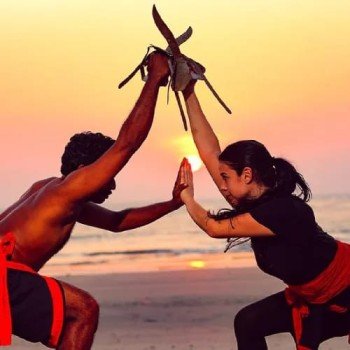
KALARIPAYATTU TRAINING: A Complete Guide to India’s Ancient Martial Art
Do you feel the pull from something old that is so deeply embedded in the past that it transcends the time? This is the essence of Kalaripayattu one of the oldest martial techniques that’s more than a technique of combat. It’s an adventure for the mind, body as well as the spirit. Kalaripayattu training is a tradition that originated in Kerala, India, Kalaripayattu is often called the most important martial art. Its rich culture heritage and significance in the past are more than simply a means of exercising but an entire way of life.
The Origin of Kalaripayattu Training
Ancient Roots
The genesis of Kalaripayattu training can be traced back to 3000 years, which makes it one of the most ancient combat systems currently in use. It was created by warrior clans from Kerala who required an extensive combat system to defend their territory. The martial art of Kerala is a combination of kicks, strikes weapons, grappling and other techniques together with spiritual and healing practices.
Mythology and Legends
According to the myth, Kalaripayattu training was created by the sage Parasurama who is believed to have recovered the area in Kerala out of the ocean. He taught the practice to the people of Kerala to protect themselves from intruders. The rich mythology is a layer of reverence and mystery in the art of Kalaripayattu.
The Kalaripayattu Training: Sacred Training Ground
Structure and Environment
Kalaripayattu training aren’t just an exercise ground, it’s sacred space. In the traditional sense, it’s an open rectangular space that has an earthen floor and surrounded by a tall wall. The entrance is facing to the east, indicating the beginning of a new chapter and illumination.
Spiritual Significance
The kalaripayattu is a site for spiritual development as well as physical exercise. It is usually sanctified by offering rituals and prayers to gods and creates a space in which students can commune with God and tap into their own power.
Basic Techniques in Kalaripayattu Class
1.Mei Payattu (Body Exercises)
The journey starts with mei payattu. It is an intense series of exercises for the body that aim to improve the flexibility, strength and endurance. The exercises are fluid and rhythmic like a dance in kalaripayattu training, which connects the body and the mind.
2.Kai Payattu (Hand Techniques)
Once the body has become conditioned then students are able to move onto the kai payattu method, which is an array of hand-tohand combat techniques. This includes strikes, blocks and evasive moves which are both elegant and effective
As they grow, students become familiar with weapons. This is the place where Kalaripayattu training really stands out with its impressive collection from traditional guns.
KALARIPAYATTU WEAPONS
1.Learning using Kuruvadi (Short kalari stick)
The kuruvadi is among the first weapons that students learn about. It requires precision and agility training practitioners to concentrate on their focus and be in control of their moves.
2.Mastery of the Long kalari Stick
Then comes that long stick. It can be employed for offensive as well as defensive methods. The mastery of this weapon requires the ability to control timing, strength and coordination.
Advanced Techniques
3.Urumi (Flexible Sword)
The urumi is probably the most famous weapon of Kalaripayattu training. It’s a flex sword that can be worn on a belt, and is armed with amazing speed and precision. The training with the urumi should be restricted to advanced students because of its complexity and risk.
4.Bare-Hand Combat Skills
In addition to weapons students also master advanced techniques for combat with bare hands. They are a complex set of movements and tactics designed to disarm and weaken adversaries.
The Art of Marma Adi
Understanding Vital Points
Marma adi refers to the understanding of vital points within our body. This ancient technique is utilized to heal and damage, making it an important component of Kalaripayattu.
Healing and Combat Applications
Practitioners are taught to strike these crucial points with precision, which may make an opponent unconscious or provide beneficial therapeutic benefits. The dual nature of marma Adi reveals the holistic aspect of Kalaripayattu.
Physical Benefits of Kalaripayattu training
Strength and Flexibility
Regular exercise in Kalaripayattu training increases the strength and flexibility of your body. The numerous exercises and movements make every muscle group stronger and result in a balanced body.
Cardiovascular Health
The intense nature of the training helps improve cardiovascular health, improving endurance and stamina. It’s a total-body workout which keeps your lung and heart in top fitness.
Discipline and Focus
Kalaripayattu training is not only an exercise in physical strength, it’s an intellectual one. The rigorous training teaches discipline, increases concentration and sharpens your mind, helping practitioners prepare for the difficulties that may arise in and off the training ground.
Emotional Balance and Confidence
The confidence gained by learning the techniques and physical training helps achieve emotional equilibrium. It helps practitioners face any challenges with courage and grit.
The Spiritual Journey
Inner Peace and Mindfulness
In its essence, Kalaripayattu is a spiritual practice. The focus on inner peace and mindfulness changes practitioners and helps to achieve a peaceful state of mind.
Connection to Heritage
The practice of Kalaripayattu can also be a means to reconnect with one’s roots and heritage. It’s an ancient tradition that brings the wisdom of old times into the present and fostering the feeling of belonging and connection.
Training Regimen
Daily Practices
A typical program of training in Kalaripayattu is comprised of exercise for body conditioning, weapons training as well as meditation. Inspiring commitment and determination are the key to being able to master this old art.
The Role of the Guru (Teacher)
The teacher, or guru is an essential role in the journey of a student. They don’t just provide technical information, but they as well guide their students’ spiritual and personal growth.
Diet and Lifestyle
Nutritional Guidelines
A healthy diet is vital in Kalaripayattu practitioners. Traditional diets focus on nutritious, healthy foods that are rich in nutrition for a rigorous workout.
Living the Warrior’s Way
Kalaripayattu is a way of living that reflects the disciplined and spirit of the warrior. This is reflected in regular physical activity along with mental discipline, as well as an effort to improve your personal development.
Modern Adaptations
Kalaripayattu in Contemporary Fitness
In the present, Kalaripayattu is gaining popularity as a fitness routine. This holistic way of achieving mental and physical wellbeing makes it popular with those who are interested in fitness today.
Influence on Modern Martial Arts
A variety of modern martial arts have gotten their inspirations from Kalaripayattu. The techniques and philosophies of Kalaripayattu have influenced martial artists across the globe.
Global Recognition and Influence
Kalaripayattu in Popular Culture
Kalaripayattu is now a part of the mainstream, incorporating into popular culture, appearing in television shows, films as well as video games. This has allowed the ancient art form to an international audience.
International Training Centers
There are a number of Kalaripayattu training centers around the world that make it accessible to all those who are interested. These facilities preserve traditional techniques while changing to the modern world.
Conclusion
The long-lasting heritage of Kalaripayattu is evidence of its profound influence on those who are involved in its practice. The ancient art of martial arts is not just an instrument for self-defense, it’s a way towards personal growth. Through intense training