
Mindfulness Meditation: A Complete Guide to Inner Peace and Mental Well-Being
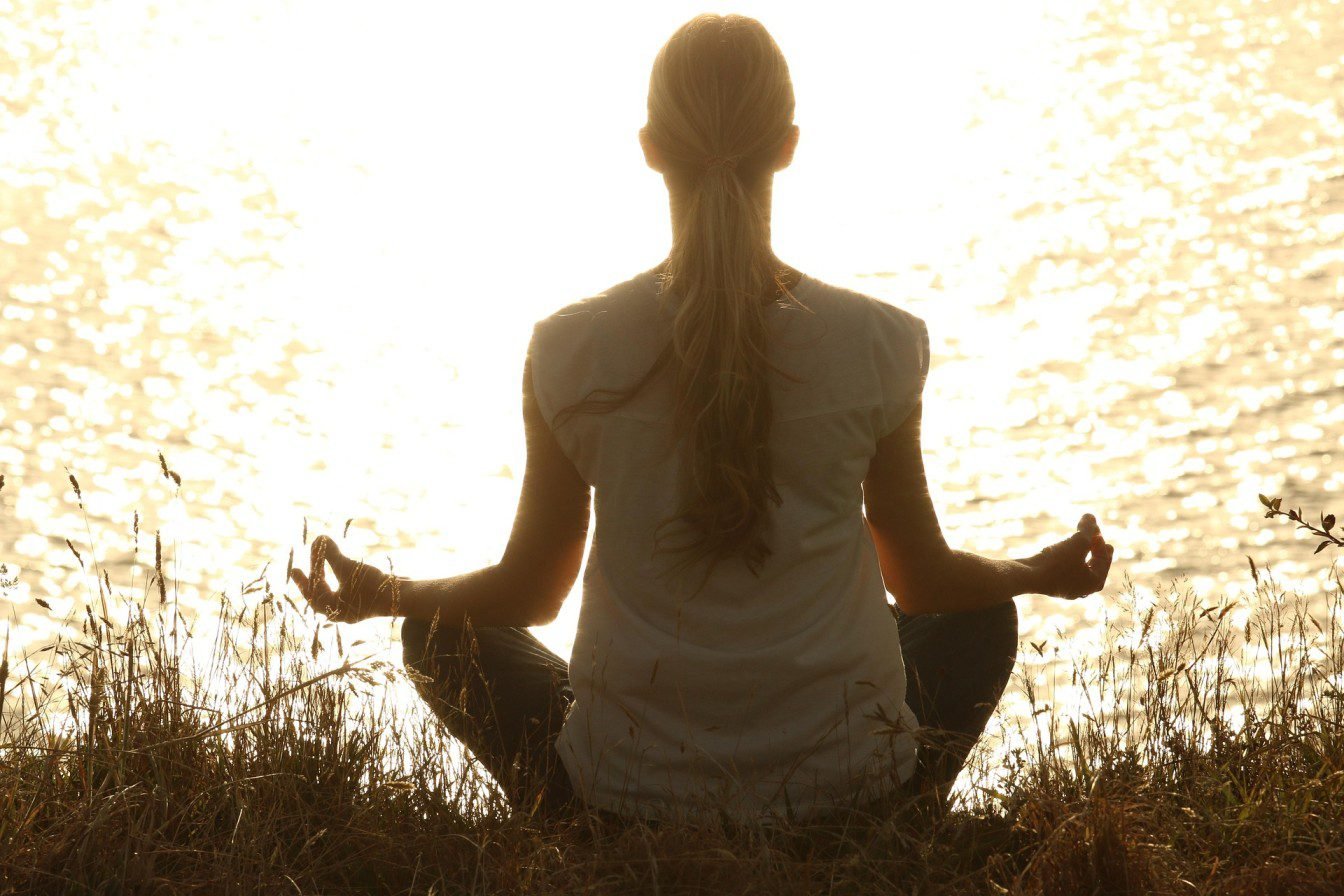
Mindfulness meditation focuses your attention on the present moment and being in the present moment without judgement. It originates from the ancient Buddhist practices, however it has gained worldwide recognition due to its immense benefits for mental health.
Meditation with mindfulness can slowly reduce stress, increase concentration, improve emotional regulation, and increase general mental health. In addition, it can positively impact physical and mental health by improving the brain and our biology.
There are many ways and methods to practice mindfulness meditation, however they all have the same purpose of developing awareness of the present and a better comprehension of oneself.
Benefits of Practice Mindfulness Meditationess Meditation
1.Stress Reduction
One of the biggest advantages from mindfulness is it’s capacity to help ease anxiety, stress and depression. It helps people to establish a distance between themselves and their emotions which allows them to handle stress more effectively. By cultivating a peaceful, non-reactive awareness of your thoughts and emotions mindfulness meditation reduces cortisol levels and encourages general relaxation.
2.Stress Reduction
One of the greatest advantages that mindfulness-based meditation has is the capacity to reduce anxiety, stress and depression. It helps people to establish a distance between their thoughts and reactions and helps them deal with stress better. Through cultivating a peaceful, non-reactive awareness of your thoughts and emotions Mindfulness meditation can lower cortisol levels, and can promote overall relaxation.
3.Enhanced Mental Clarity
Mindfulness meditation can significantly improve mental clarity through sharpening the ability to focus as well as concentration. In order to train the mind to remain in the present, people increase their ability to stay focussed, which helps in reducing distractions, and increasing their focus on their tasks.
4.Emotional Well-being
Mindfulness meditation plays an important part in controlling emotions and improving overall well-being. Meditation through mindfulness can result in an emotional state of peace and concentration as well as positive feelings. Through mindfulness, individuals develop the ability to be aware of their emotions and not react immediately and allowing greater emotional control and less impulses.
Beginning a mindfulness practice is simple by following these helpful tips:
Practical Tips for Mindfulness Meditation
1.Find a Quiet and Comfortable Space
2.Start with short sessions (5-10 minutes)
3.Focus on the Present Moment Without Judgment
4.Use Guided Meditation Apps Or Recordings
5.Set a Regular Schedule
Be Patient and Kind to Yourself
6.Experiment using various Techniques
Incorporating mindfulness practices into your daily routine can boost the quality of your practice as well as improve your overall wellbeing. Here are a few effective meditation exercises to get going:
Breathing exercise

Focused Breathing Exercise
Steps:
1.Find an appropriate position either lying down or sitting down.
2.your eyes and close your eyes and take a few deep breaths.
3.Focus upon the rhythmic nature of your breathing.
4.Pay attentively to the feeling of the air flowing into and out of your body.
5.If your mind begins to wander, gradually bring your attention to your breathing.
Box Breathing
Steps:
1.Breathe deep by rubbing your eyes for four times.
2.Hold your breath during four.
3.Breathe out slowly with your mouth for a total of four.
4.Hold your breath during the count of four.
5.Repeat the sequence for a few minutes paying attention to the breath and the count.
Body Scan Meditation
Steps:
1.Lie down in a comfortable position and shut your eyes.
2.Begin to bring your focus to your feet.
3.Slowly shift your focus throughout your body settling to and focusing your attention on the physical 4.sensations Be aware of any areas of tension or zones that are relaxed.
5.Take your time in each body part working towards your legs, feet as well as your hips, abdomen and chest.
Loving-Kindness Meditation
Steps:
1.Sit in a comfortable position and close your eyes.
2.Begin by taking a breath in order to calm yourself.
3.Loving-kindness Meditation is one method of mindfulness meditation. Repeat the phrases 4.silently towards yourself like “May I be happy, may I be healthy, may I be safe, may I live with ease.”
5.After some time you can shift your focus to someone you cherish and repeat the words for them.
6.Gradually expand your attention to include other people like acquaintances, strangers, or even people with whom you are at odds Wishing your fellow travelers the same happiness.
Mindful Listening
Steps:
1.Choose the music you like or locate a quiet spot that has natural sounds.
2.Sit in a comfortable position with your back straight and shut your eyes.
3.Focus exclusively your attention on sounds that you can hear.
4.Notice the various layers as well as the tones and rhythms.
5.If your mind is wandering, gently bring your focus back to the sound.
Five Senses Exercise
Steps:
1.Pause and take an exhale.
2.Observe five things you are able to be able to.
3.Notice four things you could be touching.
4.Listen for three things that you are able to hear.
5.Identify two things you are able to smell.
6.Focus on a single thing you can taste.
7.This exercise helps to ground you in the present by using your senses.and lastly, your head.
8.If you feel tension, try releasing it each time you exhale.
Scientific Insights Into Mindfulness Meditation

Research has shown how mindfulness-based meditation may trigger structural changes to the brain specifically in brain regions that are connected to the regulation of attention, emotional regulation and self-awareness. The practice of mindfulness regularly has been linked with increased gray matter densities within the prefrontal cortex which is a crucial component in emotional regulation and decision-making. The functional MRI scans have shown reduced activities in the amygdala region, the brain’s central area for stress and fear responses and suggests increased emotional resilience and less reactivity to stressful events.
In the healthcare setting Mindfulness-based treatments have shown positive results in treating various mental and physical health issues. MBSR (Mindfulness-Based stress Reduction) as well as MBCT (Mindfulness-Based Cognitive Therapy) are extensively utilized for clinical purposes to ease symptoms of depression, anxiety chronic pain, and insomnia. These programs, such as MBSR and MBCT offer tools for applying mindfulness principles to. Research suggests that these practices enhance psychological well-being but also improve the general quality of life and resilience among patients.
conclusion
Remember that just the smallest amount of mindfulness practice every day can lead to significant improvement in your mood, focus and overall wellbeing. When you make this practice part of your routine, you will reap immense benefits to your mental clarity as well as emotional well-being.
Begin small, be steady, and offer yourself to expand by focusing on your the practice of mindfulness. It’s an effective tool for improving the quality of your life and fostering a stronger relationship with your surroundings and with yourself. you.